
The Work
The Bodies of Work Behind Ethos
Ethos curriculum is not built from a single voice. It draws on distinct, complementary bodies of work from the practitioners who teach it—each explored in depth here.
Core Guide
The Work of Rick Friedman
Trial Lawyer · Author · Teacher
Rick Friedman’s work has helped shape modern trial advocacy for decades. Across five books—including Rules of the Road, Polarizing the Case, and The Way of the Trial Lawyer—he has examined trial practice from both directions: the case the lawyer must build, and the lawyer who must become capable of trying it.
His work spans responsibility, case construction, credibility, moral clarity, and the lifelong work of becoming a trial lawyer—reflecting an Ethos principle that runs through the entire curriculum: there is no point at which the development of the advocate is finished.
Core Guide
The Work of Leigh E. Johnson
Trial Lawyer · Trial Consultant · Author · Psychodramatist
“Storytelling When Facts Are Fixed and Stakes Are High”
Leigh E. Johnson’s work explores how human beings transform facts into meaning. Her book, Building the Case, begins with a proposition that shapes everything that follows: story is identity under pressure.
Rather than treating narrative as decoration applied to a case after the facts are settled, Building the Case treats story as a method of investigation—a discipline for understanding what a case actually stands for, and for helping the people who lived it be understood.
Methodology
- Storytelling
- Story Spine
- Identity under pressure
- Roles and relationships
- Systems
- Psychodrama and action methods
- Jury research
Story Is Central to the Work
The Deeper Structure of the Story
Human beings make meaning through story—so do jurors. A trial may contain thousands of facts, but facts do not arrive already organized into meaning. Someone must decide which facts matter, how they relate, and what the events ultimately mean. Every side is answering those questions. So is every juror.
At Ethos, storytelling is not decoration added after the legal work is finished. It is a way of understanding the case. Advocates learn to examine facts, people, relationships, and competing explanations until the deeper structure of the story becomes visible.
The objective is not to invent a better story. It is to discover the most illuminating story the evidence can honestly bear.
Why Choose Ethos?
We Begin With the Whole Advocate
The Lawyer Remains
Most trial training divides advocacy into skills: opening, direct, cross, voir dire, closing. Ethos teaches those skills, but we are equally interested in what connects them—the lawyer. The same advocate investigates the case, counsels the client, prepares the witness, tells the story, and stands when the unexpected happens.
Technique changes from moment to moment. The advocate remains. So we develop both.
We Cross Disciplines
Another Discipline May Reveal What Law Cannot
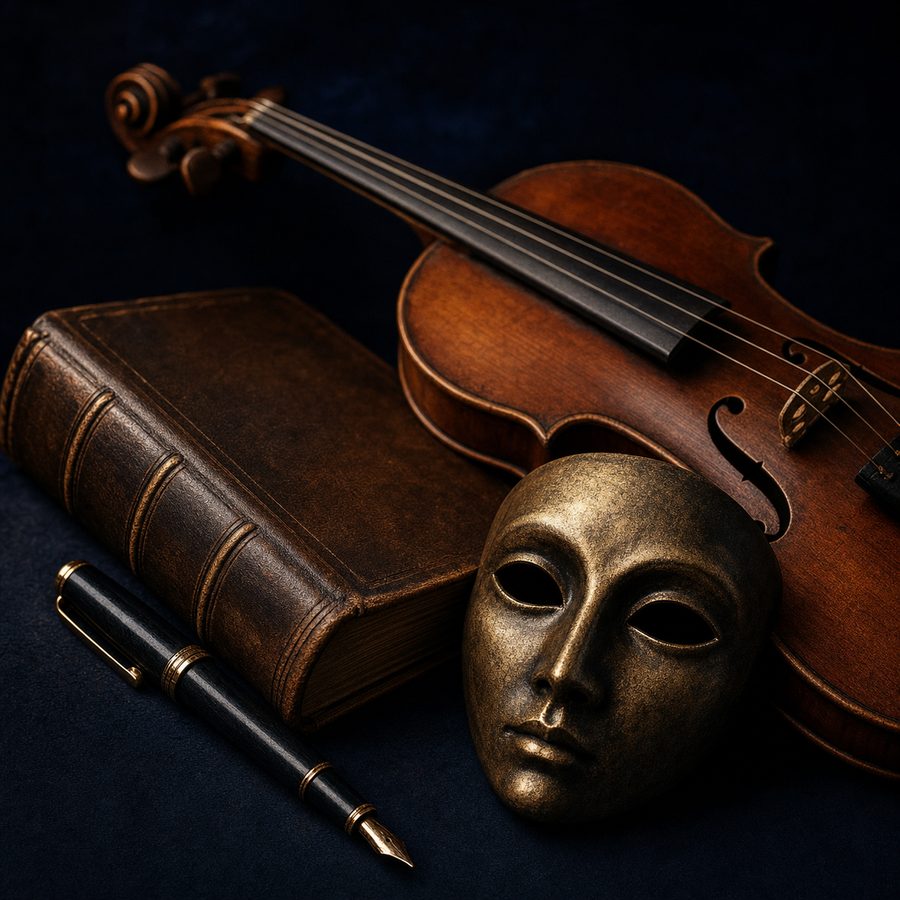
Trial advocacy does not belong exclusively to law. The advocate who wants to understand story can learn from the storyteller. The advocate who wants to understand role and relationship can learn from the psychodramatist. The advocate who wants to understand voice, rhythm, and listening can learn from the musician.
Each of those disciplines becomes more useful when experienced trial lawyers test it against the realities of the courtroom. Ethos deliberately brings those worlds together—not because lawyers need to become musicians or mythologists, but because another discipline may reveal something about advocacy that law cannot teach as well by itself.
We Do Not Teach One Way to Try a Case
Distinct Bodies of Work
Ethos is home to distinct bodies of work. Rick Friedman’s work on responsibility, case construction, the moral core, and trial practice offers one path into the case.
Leigh Johnson’s Building the Case and continuing writings on story, identity, and pressure offer another.
Psychodrama offers another. Mythological storytelling and music offer others. And every experienced advocate who enters the Ethos community brings lessons earned in actual courtrooms.
These approaches do not need to be made identical. Their differences are useful. A method is valuable when it helps you see something you could not see before.
We Teach Range, Not Replication
Increasing Your Choices
There is no Ethos style of trial lawyer. You will not be taught to sound like the guides, given someone else’s personality and told it is authenticity, or expected to use every method you encounter.
Instead, you will have opportunities to experiment. What serves you? What serves the case? What are you avoiding simply because it is unfamiliar?
The goal is not to replace your way of working. It is to increase the number of choices available to you. That is range.

We Develop Teachers
Learn It.Practice It.Teach It Forward.
Ethos is not designed around a permanent division between experts who teach and participants who receive. We want the work to travel. Participants who become deeply engaged may return to assist, study facilitation, and eventually teach others.
That is not simply how Ethos expands its guides. It is how knowledge becomes tradition.
We Expect the Work to Evolve
An Institute That Remains Capable of Learning
Ethos is not being built around a finished doctrine. The courtroom changes. Culture changes. Communication changes. Our participants will discover things our founders did not know.
Future guides will bring disciplines we have not yet considered. Some ideas will deepen; some will be replaced. An institute devoted to learning must itself remain capable of learning.