
The Ethos Community
The Program Ends. The Work Continues.
Some of the most valuable things that happen in an Ethos program will not appear on the schedule. A lawyer sees another lawyer struggle with something familiar. Someone asks a question that changes how the room understands a case. A participant takes a risk, tries something new, and discovers a capacity they did not know they had.
More Than Alumni
A Growing Community of Advocates
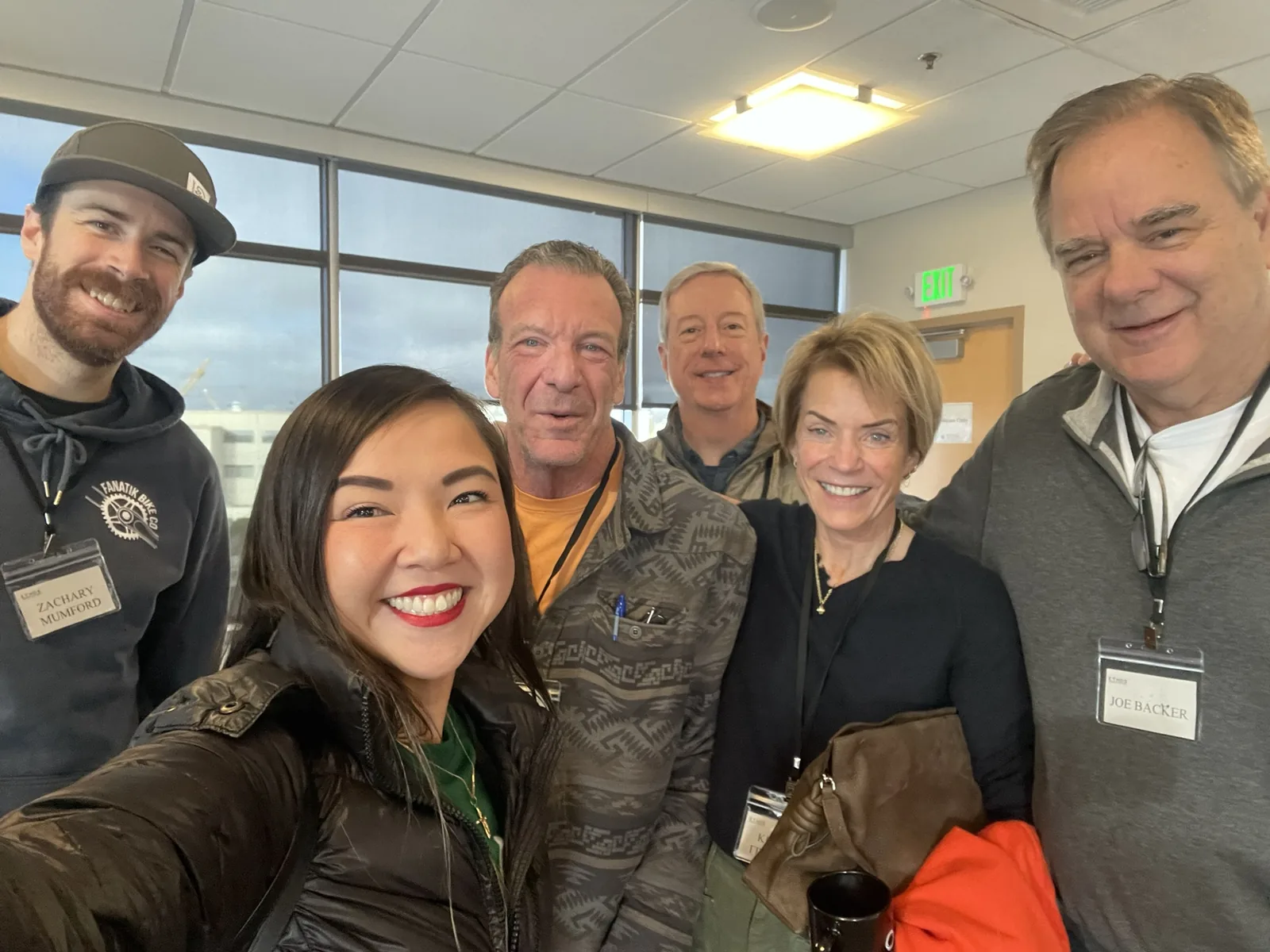
We do not think of people who complete an Ethos program simply as former participants. They become part of a growing community of advocates committed to continuing the work—staying connected to colleagues, guides, and new ideas.
Some will return for advanced programs. Some will mentor or teach. Some will create things we have not imagined yet.
Ethos should change because of the people who become part of it.
Register your interest in Ethos Foundations when online submissions open.
A Place to Keep Learning
A Place Where Accomplished Advocates Remain Students
Trial practice has a peculiar problem. The more experienced lawyers become, the fewer places they have where they can admit: I don’t know. Or: I have tried this case a hundred times in my head and something still doesn’t make sense.
Professional success can make genuine learning more difficult. Expertise creates expectations; reputation creates pressure. Lawyers become accustomed to being the person in the room who is supposed to know.
Ethos is a place where accomplished advocates can remain students—not because their experience is discounted, but because their experience makes deeper questions possible.
Learn Across Generations
Transmission Is How the Craft Survives
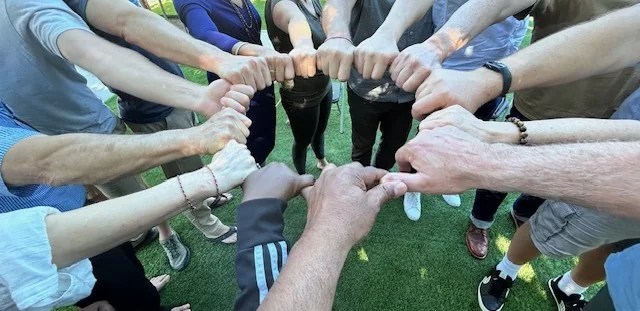
The practice of trial law has always depended upon transmission. Someone teaches us how to approach a witness. Someone tells us the question we should never have asked. Someone shows us what courage looks like in a courtroom—and what humility looks like after leaving one.
Ethos creates deliberate opportunities for that transmission to occur. Newer lawyers bring questions experienced lawyers may no longer think to ask. Experienced lawyers bring judgment that cannot be acquired from a book. Everyone has something to learn, and eventually, something to teach.
From Participant to Teacher
Carrying the Knowledge Forward
One of the defining commitments of Ethos is the development of future guides. We do not want the Institute’s knowledge concentrated in a handful of people—we want it carried forward.
Lawyers who demonstrate interest and aptitude for teaching will have opportunities to deepen their understanding of the work, assist experienced guides, and gradually assume greater teaching responsibility.
Becoming a guide is not simply a reward for attending programs. Teaching is its own discipline, requiring preparation, generosity, and the ability to help another advocate develop without demanding that the advocate become you. Ethos will teach those skills too.
A National Community
Different Experiences Make the Community Stronger

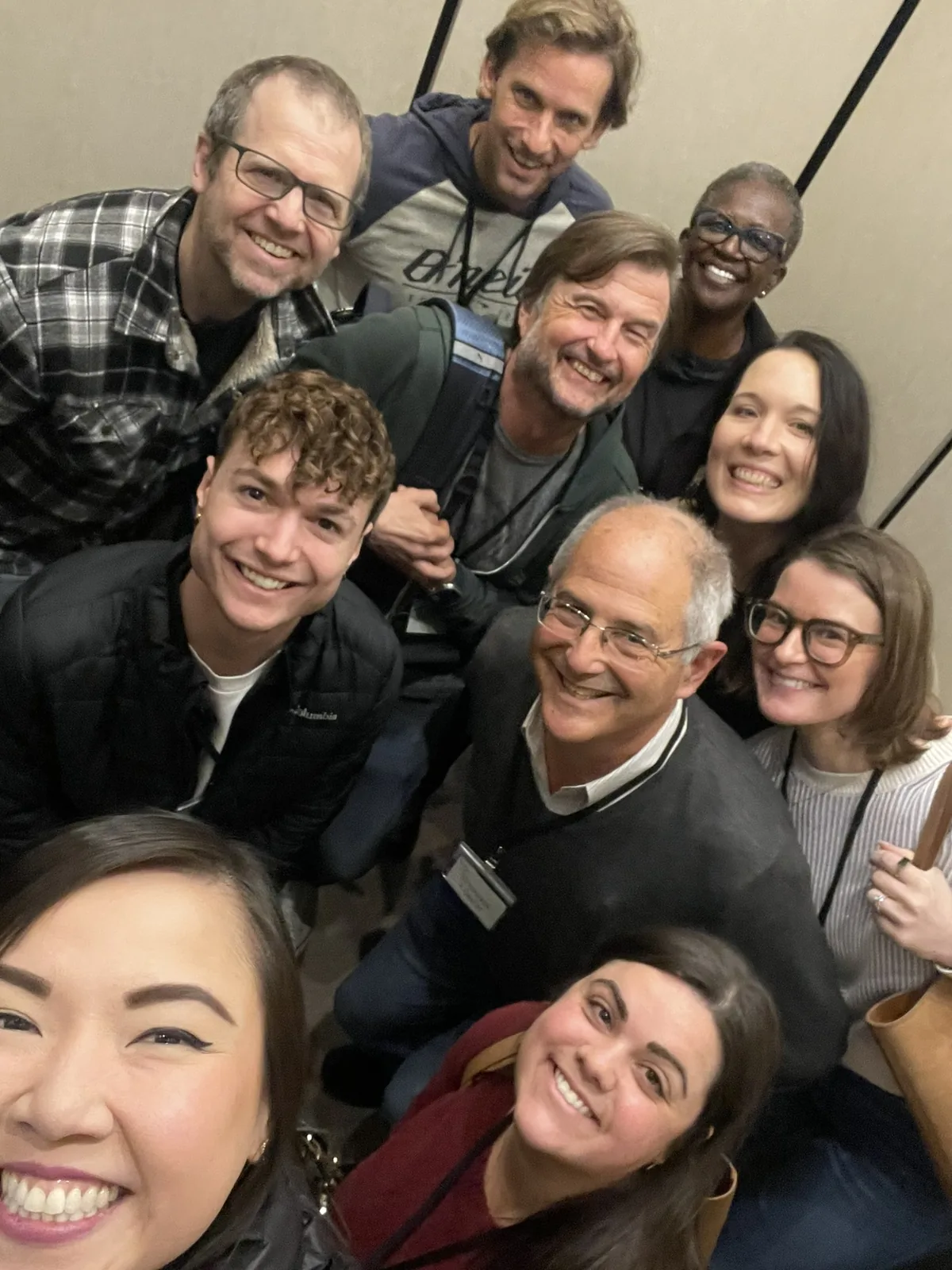
Ethos is being developed as a national institute, so our community extends beyond any particular program, guide, or region. Civil plaintiff lawyers and criminal defense lawyers may discover they confront surprisingly similar problems of story and credibility.
New lawyers may work beside advocates who have spent decades in courtrooms. Different experiences produce different questions—and that makes the community stronger.
Service Is Part of the Tradition
Knowledge Should Not Become Private Property
Ethos depends upon advocates willing to give something back to the profession. Volunteer guides make it possible for participants to receive individualized attention, work in smaller groups, and learn from advocates with a wide range of courtroom experience.
But service does something else: it prevents knowledge from becoming private property. Someone taught us. Someone gave us time. Someone challenged us when it would have been easier to say nothing.
The appropriate response to receiving that kind of teaching is not simply gratitude. Eventually, it is contribution.
Stay in Touch
Alumni Interest Form
If you have attended an Ethos program, let us know—this helps us build the alumni community described above as our infrastructure for it comes online. Member Login for alumni is coming soon.
Thank you. We’ll be in touch.
You’ve been added to the Ethos alumni community list. We look forward to staying connected.
Something went wrong.
We could not submit this just now. Please try again in a moment, or reach us directly via the Contact page.
Stay Connected
Come for a Program. Find Something Larger.
The Ethos community will continue to grow through programs, alumni gatherings, continuing education, guide development, writing, discussion, mentorship, and opportunities to work together. You may first come to Ethos for a program. We hope what you find is larger than one.